
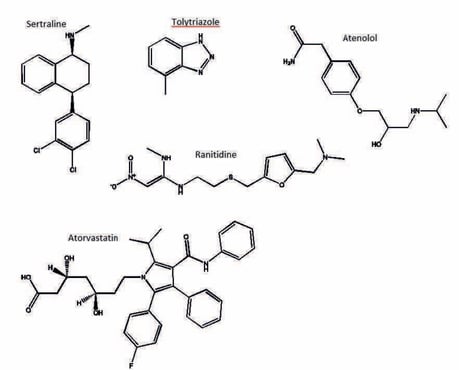
 Figure 1. Molecular structures of selected analytes
Introduction
The analytical challenge of measuring emerging contaminants in the environment has been a major research focus of scientists for the last 20 years. Pharmaceuticals and personal care products are an important group of contaminants that have been targeted. Contaminants are usually present in the environmental samples at very low concentration levels (ng L-1) and, for this reason, solid phase extraction techniques are often used to isolate and pre-concentrate the organic compounds of interest.
The on-line approach to sample preparation has grown in popularity because of its advantages in improved workflow and reduced sample handling:
- Little or no sample pre-treatment
- Totally automated procedures
- High precision and accuracy
- Elimination of blow down and reconstitution steps
- Reduced solvent use and disposal costs
Trace analysis of organics in water traditionally involves large sample volumes, labour intensive procedures and relatively high use of solvents. The on-line SPE approach uses a simple, well established hardware setup, and fully integrates sample preparation into the analytical workflow. Typical sample volumes of 1–10 mL, and lower solvent usage mean sample collection, transport and handling, along with solvent disposal costs, are much reduced.
This application note describes the use of EVOLUTE® EXPRESS ABN on-line cartridges in a fully automated on-line SPE-LC-MS/MS method for extraction and quantification of 13 commonly prescribed pharmaceuticals (with a range of characteristics) in water.
Analytes
Atenolol, Ranitidine, Ciprofloxacin, Tolytriazole, Azithomycin, Erythromycin, Prednisolone, Carbamazepine, Clarithromycin, Fluoxetine, Sertraline, Atorvastatin, Diclofenac
Sample preparation procedure
Format:
EVOLUTE® EXPRESS On-line cartridge 30 mm x 2.1 mm, part number OSPE-620-32150
Overview
1 mL of spiked sample was injected and loaded (trapped) onto the EVOLUTE® EXPRESS ABN on-line SPE cartridge using a mobile phase consisting of 2% acetonitrile (aq). After 4 mins, valve positions were switched to enable transfer of the analytes (in backflush mode) onto the analytical column using 20% acetonitrile/aq formic acid. Analytes were separated using the gradient conditions shown overleaf, while the SPE column was re-equilibrated prior to the next sample injection. The total cycle time was 20 mins, and a schematic of the process is shown in figure 2.
Experimental
Pharmaceuticals were spiked into representative hard water samples (Ballygowan® Still Natural Mineral Water) at a concentration of 75 ng L-1. Matrix-matched external standards were prepared from a different stock solution in Ballygowan water at the following concentrations: 0, 25, 50, 75, 100 and 150 ng L-1. Standards were injected in duplicate from high to low concentration. MRM peak areas were used to construct calibration curves and determine the resulting regression coefficient (r²) using MassLynx 4.0 (Waters). Limit of detection (LOD) was estimated using Excel to be 4x SD of the blank (n=4).
Recovery for each analyte was calculated in Excel as a mean of the interpolated peak area (n=4) of the spike on the appropriate calibration line. Method repeatability was estimated in Excel using replicate RSD (n=4) for each analyte.
On-line sample preparation
System: Autosampler
PAL-RTC
10-port loading valve
6-port selection valve
10 mL sample syringe
Loading pump
Shimadzu LC-20AD with LPGE/DGU-20A5R
Elution pump
Shimadzu LC-20AD with LPGE/DGU-20A5R
Loading/Separation methods
LC-20AD front panel
Acquisition Control / Data system
Waters MassLynx 4.0
MS-MS
Waters Ultima Pt QQQ
System dwell volume
1.9 mL
SPE conditions
Injection
1 mL full loop, 1.25x loop overfill
Loading flow
2 mL min-1
SPE loading conditions
2% acetonitrile (aq)
Loading duration
4.0 min
HPLC conditions
HPLC column
Thames RESTEK Raptor ARC18 2.7 µm, 100 mm x 2.1 mm
HPLC flow
0.4 mL min-1
HPLC mobile phases
A: 0.1% formic acid (aq) / B: acetonitrile
HPLC initial conditions
0.1% formic acid (aq) : acetonitrile (20:80 v/v)
HPLC gradient
|
Time (min) |
%B |
|
0.01 |
20 |
|
1.00 |
20 |
|
7.00 |
60 |
|
7.50 |
95 |
|
11.50 |
95 |
|
11.51 |
100 |
|
13.50 |
100 |
|
14.00 |
20 |
|
Target Compound |
Precursor m/z |
Product m/z |
Cone / v |
CE / v |
|
Atenolol |
267.2 |
190.2 |
55 |
18 |
|
Ranitidine |
315.3 |
176.1 |
35 |
16 |
|
Ciprofloxacin |
332.3 |
288.3 |
45 |
16 |
|
Tolytriazole |
134.2 |
79.2 |
35 |
15 |
|
Azithromycin |
749.5 |
591.5 |
35 |
30 |
|
Erythromycin |
734.5 |
158.2 |
55 |
31 |
|
Prednisolone |
361.3 |
343.4 |
35 |
9 |
|
Carbamazepine |
237.1 |
194.1 |
65 |
17 |
|
Clarithromycin |
748.75 |
158.1 |
35 |
28 |
|
Fluoxetine |
310.2 |
148.2 |
45 |
7 |
|
Sertraline |
306.3 |
159.0 |
35 |
24 |
|
Atorvastatin |
557.3 |
278.3 |
35 |
42 |
|
Diclofenac |
294.1 |
250.1 |
40 |
11 |
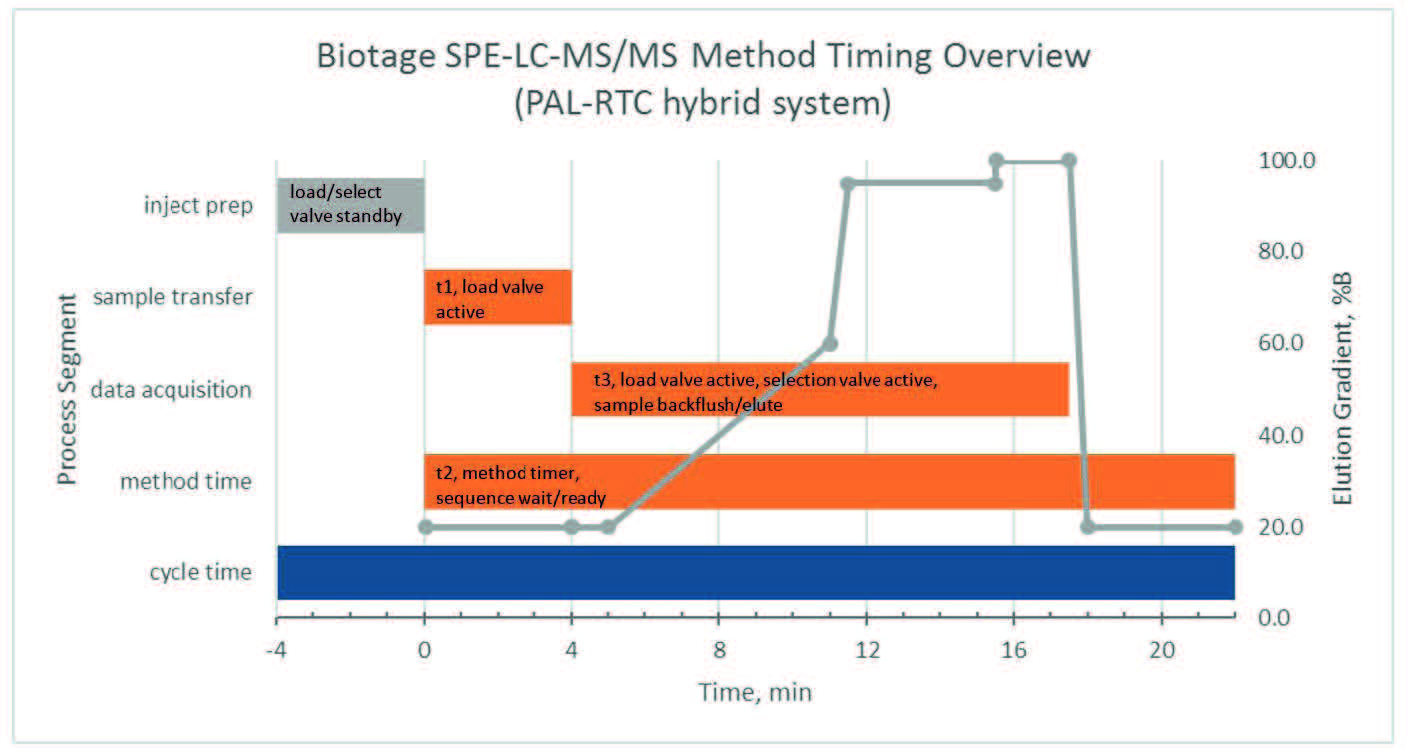
Figure 2. Schematic of the on-line SPE-HPLC process.
|
Target Mean RSD Range, r2 LOD, |
|||||
|
Compound |
Recovery |
% |
ng L1 |
|
ng L-1 |
|
|
% (n=4) |
|
|
|
|
|
Atenolol |
101.2 |
5.2 |
0.2–150 |
0.998 |
<0.2 |
|
Ranitidine |
88.2 |
8.4 |
1.5–150 |
0.998 |
1.5 |
|
Ciprofloxacin |
100.5 |
4.9 |
2.3–150 |
0.993 |
2.3 |
|
Tolytriazole |
75.6 |
9.6 |
4.7–150 |
0.989 |
4.7 |
|
Azithromycin |
89.8 |
9.7 |
1.9–150 |
0.988 |
1.9 |
|
Erythromycin |
90.3 |
3.1 |
0.2-150 |
0.999 |
<0.2 |
|
Prednisolone |
107.6 |
3.2 |
0.2–150 |
0.997 |
0.2 |
|
Carbamazepine |
90.3 |
4.0 |
0.2–150 |
0.998 |
<0.2 |
|
Clarithromycin |
84.6 |
5.0 |
0.2–150 |
0.992 |
<0.2 |
|
Fluoxetine |
104.3 |
8.4 |
0.2–150 |
0.998 |
<0.2 |
|
Sertraline |
90.8 |
1.1 |
0.2–150 |
0.997 |
<0.2 |
|
Atorvastatin |
90.3 |
4.7 |
0.2–150 |
0.998 |
<0.2 |
|
Diclofenac |
82.7 |
1.3 |
0.5–150 |
0.999 |
0.5 |
|
Criteria |
75–125% |
<15% |
- |
> 0.990 |
- |
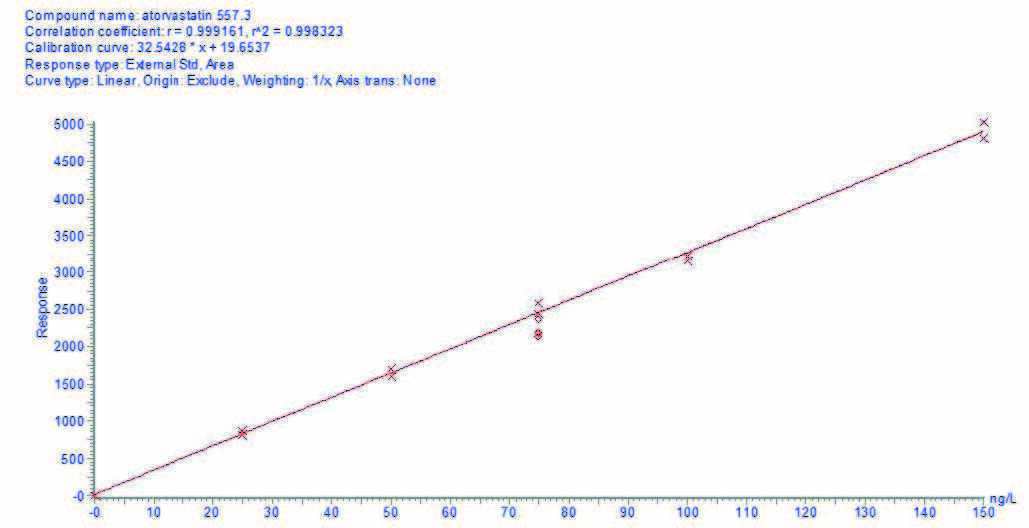
Figure 3. Typical calibration curve for atorvastatin.
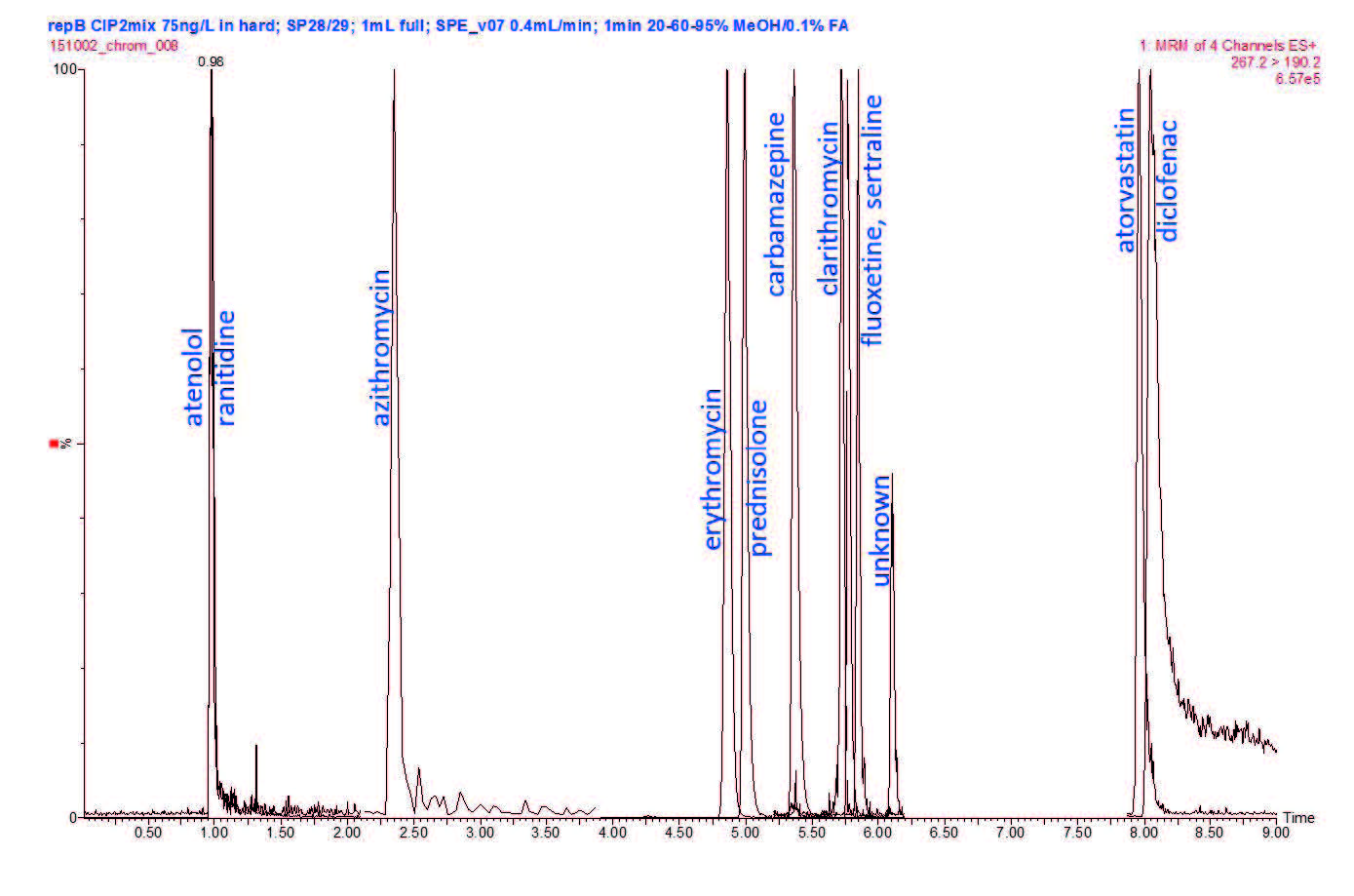 Figure 4. Overlaid SPE-LC-MS/MS MRM Chromatograms of Pure Standards at 75 ng L-1
- The Biotage® EVOLUTE EXPRESS ABN On-line SPE cartridge provided reproducible pre-concentration of pharmaceuticals with acidic, neutral and
basic functionality, and a range of polarity. - The CTC PAL system allowed fully automated, sensitive SPE-LC/MS/MS analysis of the analytes
- Limits of detection ranges from <0.2ng L-1 to 4.7 ng L-1
- Repeatability (n=4) ranges from 1.1–9.7% @ 75 ng L-1
- Time per run was 26.5 mins
Ordering information
|
Part Number |
Description |
Quantity |
|---|---|---|
|
Online SPE Cartridge |
||
|
OSPE-620-32150 |
EVOLUTE® EXPRESS ABN On-line SPE Cartridge 30 × 2.1 mm |
1 |
Literature number: AN862
