
Introduction
Pesticides have gone far in increasing food supply, important in a world expecting to have 9.8 billion people by 2050. However, the mechanisms that make pesticides effective in eliminating pests can also cause harm to humans and animals. News stories continue to point to contamination through spills and exposure through the respiratory system. (1) Pesticides in water and food must be monitored to determine if they are compliant with levels of allowed pesticides or if they contain banned pesticides. Screening is often done with methods specifying gas chromatography mass spectrometry (GC/MS) for detection, evaluating a wide variety of compounds. Methods such as US EPA 525.2 and 625 fall into this category. Methods with specific detectors, such as electron capture or other halogen-specific detectors can detect pesticides very sensitively, often with better sensitivity than a quadrupole GC/MS.
Method US EPA 608 is a dual cartridge method specifying an electrochemical detector for gas chromatography (GC). The method was developed for organochlorine pesticides and PCBs in wastewater. The newest revision of the method, 608.3, specifically allows disk solid phase extraction to be used instead of liquid-liquid extraction, adding technology that was approved for this method through the Alternate Test Approval process in 1995.(2) Since 1995, laboratories have been able to submit data to the US EPA using SPE technology if they chose and now it is just more clearly accessible through language directly in the method. In all cases the quality control required by the method must be met.
This work demonstrates the use of SPE disks on wastewater samples using automation to provide control and consistency in all the steps in the extraction process, including conditioning the disk, loading the water sample, rinsing the sample bottle and eluting the sample in solvent. Since the use of a halogen- specific detector precludes use of a chlorinated solvent for the sample, the method specifies solvent exchange from methylene chloride into hexane before the analysis step. When SPE is used, the extraction and elution steps are separate, so extraction onto the SPE disk is one step and then elution can be considered separately. Since the final extract should be in hexane, it is possible to elute the disk directly into hexane, eliminating the elution with methylene chloride and subsequent solvent exchange step. Both elution with methylene chloride and elution with hexane will be demonstrated here.
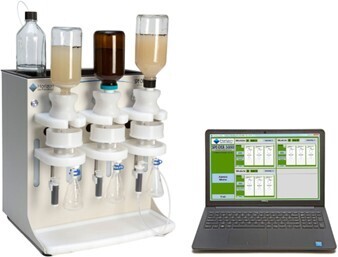
Figure 1: Biotage® Horizon 5000 Automated Disk Extraction System
Experimental
Extraction of one-litre samples of reagent water, synthetic wastewater (ASTM D5905 (3)) and Publicly Owned Treatment Works (POTW) influent waters were extracted using the Biotage® Horizon 5000, following the requirements of US EPA method 608.3.
The Biotage® Horizon 5000 was used with Atlantic® C18 Disks. The Fast Flow disk holder was used with 1 and 5 μm prefilters to hold any particulate matter above the SPE disk so flow through the disk is maintained but the particulate is included in the extraction and elution steps.
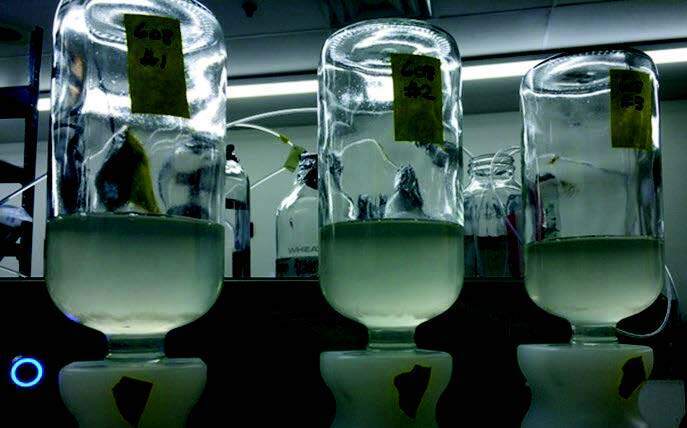
Figure 2: Shows synthetic wastewater being extracted with the SPE-DEX 5000. Note the particulate in each sample.
A check standard containing the spiking material was prepared and sent with the samples for analysis and over the course of several sets of samples was recovered at about 90%.
The resulting extracts were dried using a DryDisk®-R membrane drying technology on the DryVap™* In-line Drying and Evaporation System and concentrated to 1 mL. After solvent exchange to hexane the samples were concentrated to 10 mL and refrigerated until GC/ECD analysis. For the samples eluted directly in hexane a similar approach was employed and samples refrigerated until analysis. No further clean-up, as the use of Florisil®** was done at Biotage.
The Biotage® Horizon 5000 extraction program is shown in Table 1 for methylene chloride elution and Table 2 for hexane elution.
|
Step |
Operation |
Solvent |
Solvent Volume (mL) |
Vent Purge Time (s) |
Vacuum Pump Rate (s) |
Saturation time (s) |
Soak Time (s) |
Drain Time (s) |
Done Loading Sample Delay |
Dry Time (s) |
N2 Blanket |
|
1 |
Condition SPE Disk |
Methylene chloride |
40 |
60 |
6 |
3 |
60 |
120 |
|
|
|
|
2 |
Condition SPE Disk |
Acetone |
20 |
60 |
3 |
3 |
60 |
30 |
|
|
|
|
3 |
Condition SPE Disk |
Methanol |
40 |
60 |
3 |
3 |
30 |
30 |
|
|
|
|
4 |
Condition SPE Disk |
Reagent Water |
20 |
60 |
3 |
3 |
15 |
30 |
|
|
|
|
5 |
Load Sample |
|
|
|
3 |
|
|
|
45 |
|
|
|
6 |
Wash Sample Container |
Reagent Water |
20 |
30 |
6 |
3 |
20 |
30 |
|
|
OFF |
|
7 |
Air Dry Disk Timer |
|
|
|
6 |
|
|
|
|
360 |
OFF |
|
8 |
Elute Sample Container |
Acetone |
40 |
20 |
3 |
3 |
60 |
90 |
|
|
OFF |
|
9 |
Elute Sample Container |
Methylene chloride |
40 |
15 |
3 |
3 |
60 |
90 |
|
|
OFF |
|
10 |
Elute Sample Container |
Methylene chloride |
40 |
15 |
3 |
3 |
60 |
90 |
|
|
OFF |
|
11 |
Elute Sample Container |
Methylene chloride |
40 |
15 |
6 |
3 |
60 |
120 |
|
|
OFF |
|
Step |
Operation |
Solvent |
Solvent Volume (mL) |
Vent Purge Time (s) |
Vacuum Pump Rate (s) |
Saturation time (s) |
Soak Time (s) |
Drain Time (s) |
Done Loading Sample Delay |
Dry Time (s) |
N2 Blanket |
|
1 |
Condition SPE Disk |
Hexane |
40 |
60 |
6 |
3 |
60 |
120 |
|
|
|
|
2 |
Condition SPE Disk |
Acetone |
20 |
60 |
3 |
3 |
60 |
30 |
|
|
|
|
3 |
Condition SPE Disk |
Methanol |
40 |
60 |
3 |
3 |
30 |
30 |
|
|
|
|
4 |
Condition SPE Disk |
Reagent Water |
20 |
60 |
3 |
3 |
15 |
30 |
|
|
|
|
5 |
Load Sample |
|
|
|
3 |
|
|
|
45 |
|
|
|
6 |
Wash Sample Container |
Reagent Water |
20 |
30 |
6 |
3 |
20 |
30 |
|
|
OFF |
|
7 |
Air Dry Disk Timer |
|
|
|
6 |
|
|
|
|
360 |
OFF |
|
8 |
Elute Sample Container |
Acetone |
40 |
20 |
3 |
3 |
60 |
90 |
|
|
OFF |
|
9 |
Elute Sample Container |
Hexane |
40 |
15 |
3 |
3 |
60 |
90 |
|
|
OFF |
|
10 |
Elute Sample Container |
Hexane |
40 |
15 |
3 |
3 |
60 |
90 |
|
|
OFF |
|
11 |
Elute Sample Container |
Hexane |
40 |
15 |
6 |
3 |
60 |
120 |
|
|
OFF |
*The DryVap™ system has been discontinued. We recommend using the TurboVap® evaporation systems for achieving equivalent results.
The DryVap™ System was operated with the conditions shown in Table 3. Analysis was done at Alpha Analytical Services, Westborough, MA, an accredited laboratory with environmental experience.
GC analysis was done with the conditions as shown in Table 4 on a 6890 GC with dual micro ECD (Agilent Technologies). The calibration curve covered the range from 0.5-200 μg/L. Surrogate and organochlorine pesticide mix was supplied by Alpha Analytical. Samples were spiked with a full range of pesticides at 0.5 μg/L in each 1-L sample. Figure 3 shows the software running the air dry and wash sample steps.
|
Parameter |
Setting |
|
Dry Volume |
200 mL |
|
Heat Power |
5 |
|
Heat Timer |
OFF |
|
Auto Rinse Mode |
OFF |
|
Nitrogen Sparge |
20 psi |
|
Vacuum |
-8 in. Hg |
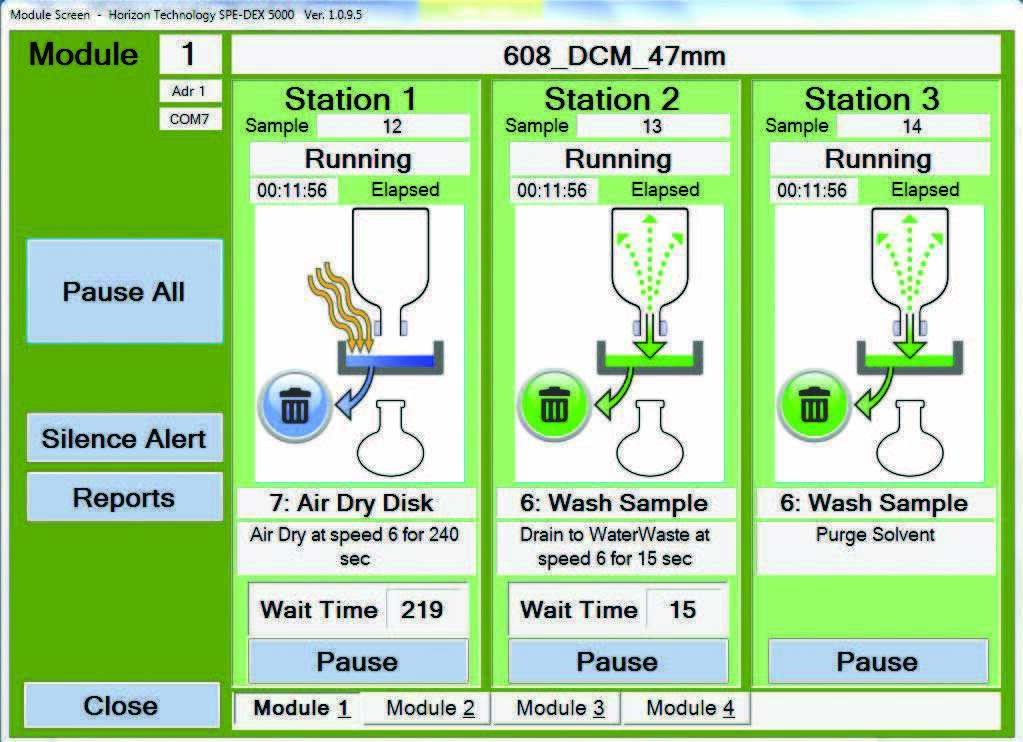
Figure 3. Software screen monitoring operation during sample analysis
|
Cartridges |
RTX-CLP 30 m x 0.32 mm fused silica capillary, 0.32 μm film thickness RTX-CLPII30 m x 0.32 mm fused silica capillary, 0.25 μm film thickness |
|
Temperature |
120°C for 0 min 45° C/min to 200°C, 0 min 15°C/min to 230°C, 0 min 30°C/min to 330°C, Hold for 2 min |
|
Injection Volume |
1 μL |
|
|
Reagent Water % Recovery |
Acceptable
|
RPD (%) |
Synthetic Wastewater % Recovery |
Acceptable
|
RPD (%) |
||||||
|
|
Blank |
Spike |
Spike Dup |
% Recovery |
RPD (%) |
Limit |
Blank |
Spike |
Spike Dup |
% Recovery |
RPD (%) |
Limit |
|
4,4’-DDD |
ND |
75.2 |
74.8 |
31-141 |
0.533 |
39 |
ND |
68.2 |
69.6 |
31-141 |
2.03 |
39 |
|
4,4’-DDE |
ND |
72.6 |
70.8 |
30-145 |
2.51 |
35 |
ND |
51.6 |
51.8 |
30-145 |
0.39 |
35 |
|
4,4’-DDT |
ND |
81.6 |
80.6 |
25-160 |
1.23 |
42 |
ND |
79.0 |
81.6 |
25-160 |
3.24 |
42 |
|
Aldrin |
ND |
71.4 |
70.0 |
42-140 |
1.98 |
35 |
ND |
74.0 |
73.6 |
42-140 |
0.54 |
35 |
|
Alpha-BHC |
ND |
87.8 |
85.0 |
37-140 |
3.24 |
36 |
ND |
83.0 |
83.6 |
37-140 |
0.72 |
36 |
|
Beta-BHC |
ND |
82.0 |
74.4 |
17-147 |
9.72 |
44 |
ND |
85.0 |
81.2 |
17-147 |
4.57 |
44 |
|
cis-Chlordane (alpha) |
ND |
78.4 |
75.6 |
45-140 |
3.64 |
35 |
ND |
67.4 |
66.4 |
45-140 |
1.49 |
35 |
|
Delta-BHC |
ND |
88.8 |
85.8 |
19-140 |
3.44 |
52 |
ND |
88.0 |
88.0 |
19-140 |
0.00 |
52 |
|
Dieldrin |
ND |
94.0 |
92.4 |
36-146 |
1.72 |
49 |
ND |
83.2 |
84.4 |
36-146 |
1.43 |
49 |
|
Endosulfan I |
ND |
90.2 |
88.0 |
45-153 |
2.47 |
28 |
ND |
78.0 |
78.0 |
45-153 |
0.00 |
28 |
|
Endosulfan II |
ND |
92.2 |
96 |
D-202 |
4.04 |
53 |
ND |
92.8 |
96 |
D-202 |
3.18 |
53 |
|
Endosulfan sulphate |
ND |
90.8 |
90.6 |
26-144 |
0.221 |
38 |
ND |
77.4 |
78.6 |
26-144 |
1.54 |
38 |
|
Endrin |
ND |
79.6 |
78.0 |
30-147 |
2.03 |
48 |
ND |
69.8 |
70.4 |
30-147 |
0.86 |
48 |
|
Endrin aldehyde |
ND |
73.8 |
82.8 |
|
11.5 |
|
ND |
66.4 |
70.0 |
|
5.3 |
|
|
Endrin ketone |
ND |
89.4 |
89.0 |
|
0.448 |
|
ND |
83.8 |
85.4 |
|
1.89 |
|
|
Heptachlor |
ND |
86.2 |
83.4 |
34-140 |
3.30 |
43 |
ND |
91.4 |
90.8 |
34-140 |
0.66 |
43 |
|
Heptachlor epoxide |
ND |
97.4 |
94.6 |
37-142 |
2.92 |
26 |
ND |
103 |
90.2 |
37-142 |
13.3 |
26 |
|
Lindane |
ND |
87.8 |
81.6 |
32-140 |
7.32 |
39 |
ND |
84.6 |
87.0 |
32-140 |
2.80 |
39 |
|
Methoxychlor |
ND |
79.2 |
79.4 |
|
0.25 |
|
ND |
77.8 |
80.2 |
|
3.04 |
|
|
trans-Chlordane (gamma) |
ND |
81.8 |
78.0 |
45-140 |
4.76 |
35 |
ND |
65.2 |
65.6 |
45-140 |
0.61 |
35 |
|
Surrogate |
% Recovery |
% Recovery |
% Recovery |
% Recovery |
% Recovery |
% Recovery |
|
2,4,5,6-Tetrachloro -m-xylene |
76.3 |
74.2 |
76.3 |
84.5 |
85.6 |
81.4 |
|
Decachlorobiphenyl |
13.2 |
17.1 |
15.8 |
93.4 |
90.8 |
90.8 |
|
|
Influent Wastewater % Recovery |
Acceptable |
|
RPD (%) |
||
|
|
Blank |
Spike |
Spike Dup |
% Recovery |
RPD (%) |
Limit |
|
4,4’-DDD |
ND |
96.4 |
86.6 |
31-141 |
10.7 |
39 |
|
4,4’-DDE |
ND |
83.6 |
89.6 |
30-145 |
6.93 |
35 |
|
4,4’-DDT |
ND |
84 |
75.2 |
25-160 |
11.1 |
42 |
|
Aldrin |
ND |
82.2 |
85.6 |
42-140 |
4.05 |
35 |
|
Alpha-BHC |
ND |
100 |
119 |
37-140 |
18.1 |
36 |
|
Beta-BHC |
ND |
100 |
92.2 |
17-147 |
8.32 |
44 |
|
cis-Chlordane (alpha) |
ND |
105 |
98 |
45-140 |
6.31 |
35 |
|
Delta-BHC |
ND |
104 |
106 |
19-140 |
1.14 |
52 |
|
Dieldrin |
ND |
117 |
115 |
36-146 |
2.41 |
49 |
|
Endosulfan I |
ND |
117 |
120 |
45-153 |
2.86 |
28 |
|
Endosulfan II |
ND |
112 |
102 |
D-202 |
9.70 |
53 |
|
Endosulfan sulphate |
ND |
122 |
105 |
26-144 |
14.7 |
38 |
|
Endrin |
ND |
100 |
92 |
30-147 |
7.90 |
48 |
|
Endrin aldehyde |
ND |
89.6 |
76.2 |
|
16.2 |
|
|
Endrin ketone |
ND |
121 |
104 |
|
15.2 |
|
|
Heptachlor |
ND |
107 |
118 |
34-140 |
9.96 |
43 |
|
Heptachlor epoxide |
ND |
119 |
116 |
37-142 |
1.87 |
26 |
|
Lindane |
ND |
109 |
106 |
32-140 |
2.60 |
39 |
|
Methoxychlor |
ND |
96 |
90 |
|
6.5 |
|
|
trans-Chlordane (gamma) |
ND |
65.8 |
107 |
45-140 |
48.0 |
35 |
|
Surrogate |
% Recovery |
% Recovery |
% Recovery |
|
2, 4, 5, 6-Tetrachloro-m-xylene |
110.3 |
111.3 |
108.2 |
|
Decachlorobiphenyl |
81.6 |
65.8 |
81.6 |
Results and discussion
Method 608.3 consolidates the QC requirements for the method in a table (Table 4) by analyte. The reporting limit provided by Alpha Analytical for this method, prepared as described, is listed in Table 5 to help in defining the lower level that is reliably measured in the blank. The colours have been added to the table to make it easier to quickly see the agreement with the desired 100% recovery. Dark green is the closest to 100% and then it changes from dark green the further away the value is from 100%, lighter green and orange below 100% and more blue above 100%.
The recoveries of the spike and spike duplicate for reagent water and synthetic wastewater are excellent and well within the range specified in Table 4 of method 608.3. The relative percent difference indicates the quality of precision and is excellent. In many cases less than 1% RPD indicates the agreement between the spike and spike duplicate preparations is excellent.
Table 6 shows the same type of comparison to 608.3 Table 4 criteria for reagent water and synthetic wastewater. The results again meet the criteria specified in Table 4 of method 608.3. It is interesting that in both cases the recovery of the surrogate decachlorobiphenyl is poor in reagent water, but acceptable in more complex matrices. Biotage will do more work to under- stand this issue, but it may be the hydrophobic nature of the compound interacting with water-coated disk particles. Table 7 shows the results from an influent wastewater from a medium-sized POTW facility.
|
|
|
Reagent Water % Recovery |
Acceptable |
|
RPD (%) |
Synthetic Wastewater % Recovery |
Acceptable |
|
RPD (%) |
||||
|
Analyte |
RL (μg/L) |
Blank |
Spike |
Spike Dup |
% Recovery |
RPD (%) |
Limit |
Blank |
Spike |
Spike Dup |
% Recovery |
RPD (%) |
Limit |
|
4,4’-DDD |
0.04 |
ND |
81.4 |
80.8 |
31-141 |
0.740 |
39 |
ND |
72.6 |
69.8 |
31-141 |
3.93 |
39 |
|
4,4’-DDE |
0.04 |
ND |
78.4 |
78.2 |
30-145 |
0.255 |
35 |
ND |
72.2 |
73.8 |
30-145 |
2.19 |
35 |
|
4,4’-DDT |
0.04 |
ND |
79.4 |
79.4 |
25-160 |
0.000 |
42 |
ND |
70.8 |
71.6 |
25-160 |
1.12 |
42 |
|
Aldrin |
0.02 |
ND |
71.2 |
71.4 |
42-140 |
0.281 |
35 |
ND |
69.8 |
71.4 |
42-140 |
2.27 |
35 |
|
Alpha-BHC |
0.02 |
ND |
80.4 |
79.8 |
37-140 |
0.749 |
36 |
ND |
79.2 |
80.0 |
37-140 |
1.01 |
36 |
|
Beta-BHC |
0.02 |
ND |
84.0 |
84.4 |
17-147 |
0.475 |
44 |
ND |
81.8 |
78.4 |
17-147 |
4.24 |
44 |
|
cis-Chlordane (alpha) |
0.02 |
ND |
79.4 |
79.0 |
45-140 |
0.505 |
35 |
ND |
71.2 |
71.4 |
45-140 |
0.281 |
35 |
|
Delta-BHC |
0.02 |
ND |
83.8 |
84.4 |
19-140 |
0.713 |
52 |
ND |
78.0 |
82.0 |
19-140 |
5.00 |
52 |
|
Dieldrin |
0.04 |
ND |
87.0 |
86.6 |
36-146 |
0.461 |
49 |
ND |
80.6 |
79.2 |
36-146 |
1.75 |
49 |
|
Endosulfan I |
0.02 |
ND |
83.0 |
82.6 |
45-153 |
0.483 |
28 |
ND |
75.8 |
76.4 |
45-153 |
0.788 |
28 |
|
Endosulfan II |
0.04 |
ND |
76.6 |
75.2 |
D-202 |
1.84 |
53 |
ND |
72.2 |
71.6 |
D-202 |
0.83 |
53 |
|
Endosulfan sulphate |
0.04 |
ND |
87.8 |
87.2 |
26-144 |
0.686 |
38 |
ND |
79.6 |
77.2 |
26-144 |
3.06 |
38 |
|
Endrin |
0.04 |
ND |
84.0 |
83.6 |
30-147 |
0.477 |
48 |
ND |
91.2 |
101.2 |
30-147 |
10.4 |
48 |
|
Endrin aldehyde |
0.04 |
ND |
76.0 |
74.4 |
|
2.13 |
|
ND |
67.2 |
65.8 |
|
2.11 |
|
|
Endrin ketone |
0.04 |
ND |
87.6 |
87.4 |
|
0.229 |
|
ND |
82.6 |
82.4 |
|
0.242 |
|
|
Heptachlor |
0.02 |
ND |
75.2 |
75.0 |
34-140 |
0.266 |
43 |
ND |
70.0 |
72.6 |
34-140 |
3.65 |
43 |
|
Heptachlor epoxide |
0.02 |
ND |
88.0 |
87.2 |
37-142 |
0.913 |
26 |
ND |
73.2 |
73.4 |
37-142 |
0.273 |
26 |
|
Lindane |
0.02 |
ND |
86.6 |
86.8 |
32-140 |
0.231 |
39 |
ND |
82.4 |
82.6 |
32-140 |
0.242 |
39 |
|
Methoxychlor |
0.1 |
ND |
95.4 |
93.0 |
|
2.55 |
|
ND |
79.4 |
90.8 |
|
13.4 |
|
|
trans-Chlordane (gamma) |
0.02 |
ND |
81.6 |
79.8 |
45-140 |
2.23 |
35 |
ND |
71.8 |
72.4 |
45-140 |
0.83 |
35 |
|
|
|
|
|
|
|
|
|
|
|
|
|
|
|
|
Surrogate |
|
% Recovery |
% Recovery |
% Recovery |
|
|
% Recovery |
% Recovery |
% Recovery |
|
|
|
|
|
2,4,5,6- Tetrachloro-m-xylene |
|
64 |
65 |
59 |
|
|
70 |
73 |
72 |
|
|
|
|
|
Decachlorobiphenyl |
|
11 |
12 |
13 |
|
|
70 |
57 |
71 |
|
|
|
|
The results are very good for a complex matrix, meeting the goals in all cases for spike recovery. In the case of trans- chlordane, however, the agreement between the spike and spike duplicate are outside the acceptable range. There was some interference with the chromatography and the spike was cleaned with copper. The spike duplicate appeared cleaner and was not treated with copper. This issue was not observed with synthetic wastewater and was unexpected. As shown in Figure 4, the particulate matter in the spike and spike duplicate (influent 2 and 3) were different in amount and colour. This could have contributed to a matrix effect which influenced the recovery of compounds more in one sample than the other, in spite of the copper treatment.
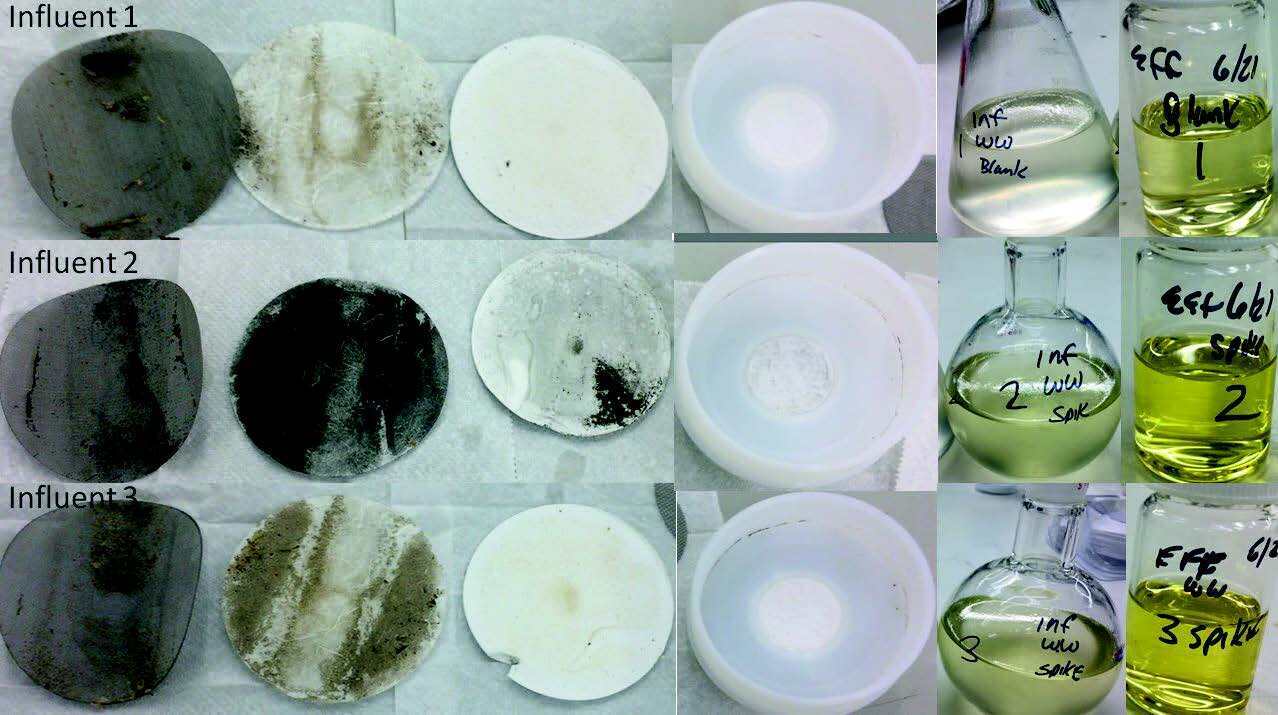
Figure 4. Wastewater Influent samples showing the screen, 5μm prefilter, 1 μm prefilter, and SPE disk in the Fast Flow Disk Holder, along with extracts and final dried and evaporated samples
Conclusion
The analysis of low concentrations of pesticides in wastewater is important to ensure the wastewater is clean before release into the environment. In addition, wastewater can make its way into drinking water, either directly or indirectly, carrying potential contamination along and increasing exposure. This work demonstrated automated extraction using solid phase extraction disks as an alternative to liquid-liquid extraction. Both reagent water and synthetic wastewater showed excellent results following method 608.3 for extraction and analysis with GC-ECD. Additionally, direct elution of the solid phase disk with hexane, rather than elution with methylene chloride and a solvent exchange step to hexane showed excellent results for reagent water and synthetic wastewater spikes. Elution with hexane can save time and effort required in solvent exchange required for an ECD detector, improving the workflow in a busy laboratory. Analysis of a medium-sized wastewater treatment plant influent wastewater showed good results using the hexane elution procedure, further demonstrating the ability of automated disk SPE to improve the laboratory workflow while maintaining method performance.
References
- North Carolina State University. “Some pesticides linked to respiratory wheeze in farmers.” ScienceDaily., 3 August 2016.
- EPA Method 608 ATP 3M0222, An alternative test procedure for the measurement of organochlorine pesticides and polychlorinated biphenyls in wastewater. Federal Register/ Vol. 60, No. 148 August 2, 1995.
- ASTM method D5905, Standard Practice for the Preparation of Substitute Wastewater, reapproved 2013, available from www.astm.org.
Acknowledgement
We thank Alpha Analytical, Westborough, MA for help with analysis of the samples.
We thank Greater Lawrence Sanitation District for their contribution of wastewater to help us demonstrate the method on a real sample.
** Florisil is a registered trademark of U.S. Silica Company
Literature number: AN115-HOR
