
Summary
The automated gradient optimization feature in Biotage® Selekt flash purification systems accelerates purification, reduces solvent usage, and maintains loading capacity.
Background
Flash chromatography is the most widely used technique by chemists to isolate high-purity synthetic intermediates and final products.
Linear gradients are the most common purification approach; while they provide adequate separations, they can be lengthy, consuming more time and solvent than necessary. Gradient optimization can dramatically reduce both purification time and solvent consumption.
Results
A Biotage® Selekt flash purification system was used to purify a reaction mixture using reversed phase linear gradient in a method scouting run, Figure 1. This 16-column volume (CV) method, using a 12 g Biotage® Sfär C18 column, consumed 272 mL of solvent and nearly 11 minutes (at 25 mL/min) to separate 9 mg of the reaction mixture.
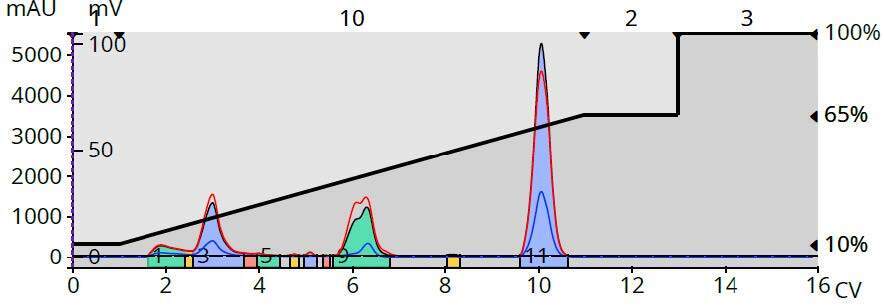
Figure 1. Linear gradient scouting run of the reaction mixture.
To reduce time and solvent for larger-scale purification, the linear gradient results were automatically converted to a step gradient in two simple steps:
1. Select Gradient Optimization for your result in the system software,
Figure 2.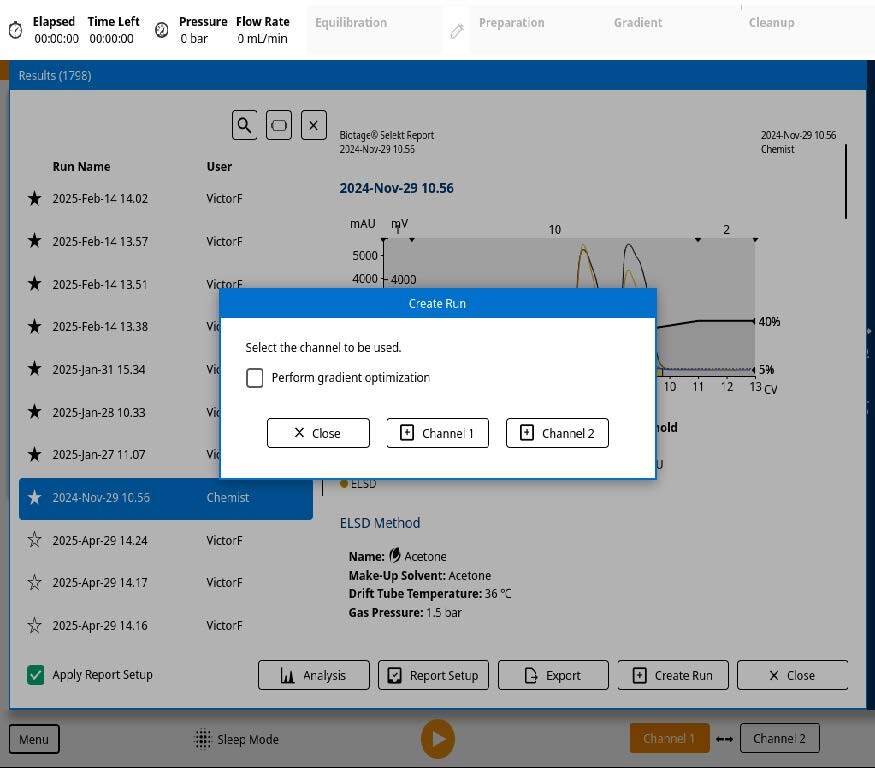
Figure 2. Gradient Optimization step 1, check the Perform Gradient Optimization box.
2. Select the peak of interest, Figure 3.
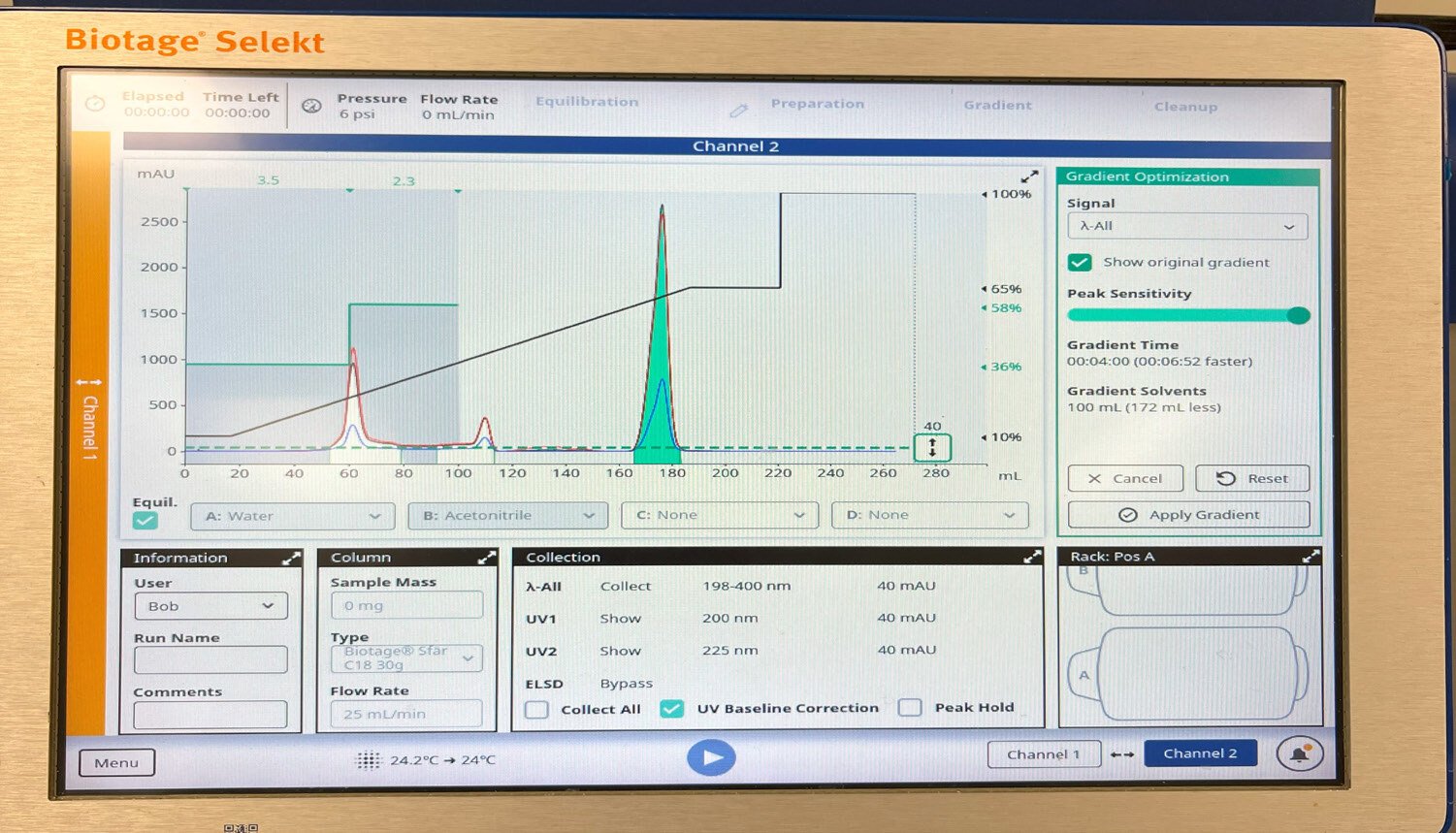
Figure 3. Gradient Optimization step 2, select the peak to optimize.
The Biotage® Selekt system automatically creates a single-step gradient designed to isolate the target compound from other components.
When gradient optimization was applied using the original 12 g Biotage® Sfär C18 column and a 47 mg load, the results showed the product was well resolved from the more polar byproducts, Figure 4.
 Figure 4. Gradient optimized purification of the reaction mixture using a 12 g Biotage® Sfär C18 column and 47 mg load.
Using the same optimized method, 232 mg of the reaction mixture was purified using a 30 g Biotage® Sfär C18 column, a 2.5-fold increase, with similar results, Figure 5.
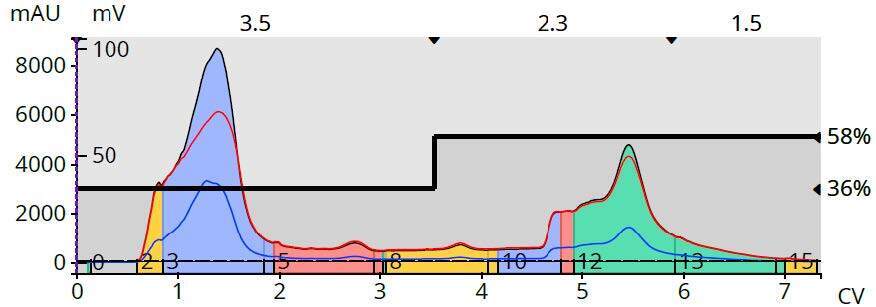
Figure 5. Gradient optimized 2.5x scale up with a 30 g Biotage® Sfär C18 column.
Conclusion
By employing gradient optimization, purification becomes faster and more efficient. With the 12 g column, the original 11-minute, 272 mL separation, was reduced to just 5 minutes, while using solvent only 125 mL.
When scaled up with the 30 g column (2.5 times larger than the 12 g column), the purification took only 5.5 minutes and used 330 mL of solvent to purify 2.5 times more reaction mixture.
Literature Number: AN1012
