
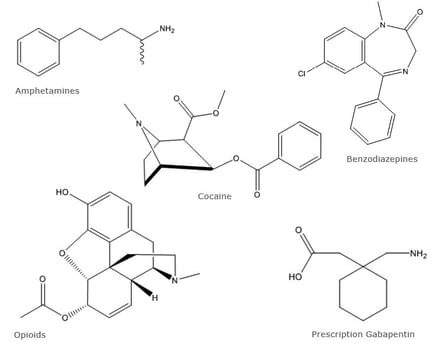
 Figure 1. Example analyte structures by class.
Introduction
This application note describes the extraction of 25 illicit and prescribed drugs from hydrolyzed urine using ISOLUTE® HYDRO DME+ Dual Mode Extraction plates prior to
UPLC-MS/MS analysis.
ISOLUTE HYDRO DME+ products provide extremely efficient removal of matrix components and hydrolysis enzyme from urine samples, using a simple pass through workflow.
Because of the enhanced sample clean up delivered by ISOLUTE HYDRO DME+ products, analyte sensitivity is significantly increased compared to traditional dilute and shoot (D&S) techniques, resulting in reduced limits of quantitation (LOQ). ISOLUTE® HYDRO DME+ plates and cartridges are ideal for urinary drugs of abuse and pain management applications because the inclusion of Biotage® HYDRO frit technology means that urine samples can be hydrolyzed in-situ in the cartridge, eliminating the need for post hydrolysis sample transfer steps.
The simple sample preparation procedure described delivers clean extracts and recoveries above 65% for the majority of analytes. The limits of quantitation all meet and exceed the sensitivity requirements set by SAMHSA and EWDTS for workplace testing applications.
Analytes
Ecgonine methyl ester, pregablin, morphine, oxymorphone, amphetamine, gabapentin, codeine, 6-monoacetylmorphine, MDMA, hydrocodone, mephedrone, benzoylecgonine, ketamine, 7-aminoclonazepam, cocaine, norbuprenorphine,
7-aminoflunitrazepam, buprenorphine, PCP, EDDP, oxazepam, methadone, Zaleplon, flunitrazepam and ritalinic acid.
Sample preparation procedure
Format
ISOLUTE® HYDRO DME+ 400 mg Fixed Well Plate, part number: 970-0400-PZ01.
Sample pre-treatment (hydrolysis using β-Glucuronidase enzyme (Helix pomatia))
To 500 μL of urine, add 25 μL of internal standard mix at concentration 1 ng/μL and allow equilibration to take place at room temperature for 1 hour.
Apply 25 μL of enzyme solution to 450 μL of ammonium acetate (50 mM pH 5.0) and vortex briefly. Add this mix to the urine spiked with internal standard (as above) and vortex briefly.
Apply a 100 μL aliquot of this sample (matrix/IS/enzyme/buffer mix) to the ISOLUTE HYDRO DME+ product and incubate for 2 hours at 60 °C.
Extraction procedure and post-extraction
Allow the sample to cool to room temperature and position a 96-well collection plate under the extraction plate. Add acetonitrile (600 μL) onto the hydrolyzed urine sample. Perform 5x aspirate/ dispense steps with an electronic 8-channel pipette to ensure sufficient mixing.
Using a Biotage® Pressure+ 96 Positive Pressure Manifold, apply approximately 5 PSI of positive pressure to elute the acetonitrile. The samples may be analysed by UPLC-MS/MS without an evaporation step*. Simply cover the collection plate with a sealing mat prior to transfer to the autosampler.
*If increased analyte sensitivity is required, the samples may be evaporated using a Biotage® SPE Dry 96 at 40L/min at 40 deg C and reconstituted in a low solvent volume prior to UPLC-MS/MS analysis. If so, a 100 μL volume of methanolic hydrochloric acid (50mM) should be added to each well prior to evaporation to prevent the loss of more volatile analytes such as amphetamine.
UHPLC conditions
Instrument
Waters ACQUITY UPLC with 20 μL loop
Column
Restek RaptorTM Biphenyl 2.7 µm (100 x 2.1 mm id) with RaptorTM Biphenyl EXP guard cartridge
Mobile phase
A: 2 mM ammonium formate (aq), 0.1 % formic acid
B: 2 mM ammonium formate (methanol), 0.1 % formic acid
Flow rate
0.4 mL min
Gradient details
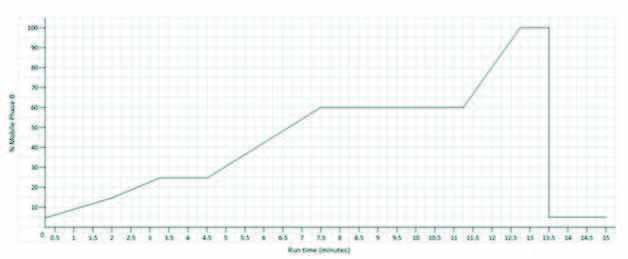 Figure 2. Graphical representation of LC conditions
Table 1. Gradient conditions. Curve 6: Linear gradient.
|
Time (min) |
%A |
%B |
Curve |
|
0.00 |
95 |
5 |
6 |
|
2.00 |
85 |
15 |
6 |
|
3.25 |
75 |
25 |
6 |
|
4.50 |
75 |
25 |
6 |
|
7.50 |
40 |
60 |
6 |
|
11.25 |
40 |
60 |
6 |
|
12.75 |
0 |
100 |
6 |
|
13.50 |
0 |
100 |
6 |
|
13.51 |
95 |
5 |
6 |
|
15.00 |
95 |
5 |
6 |
Column temperature
40 oC
Injection volume
1 μL (partial loop without overfill)
Sample temperature
20 oC
MS/MS conditions
Instrument
Waters Premier XE triple quadrupole mass spectrometer equipped with an electrospray interface for mass analysis.
Source temperature
150 oC
Desolvation temperature
450 oC
Positive ions acquired in the multiple reaction monitoring (MRM) mode are described in Table 2:
Table 2. MRM conditions.
|
Compound |
MRM Transition |
Cone Voltage (V) |
Collision Energy (eV) |
|
Ecgonine Methyl Ester (EME) |
182.2 > 82.0 |
50 |
15 |
|
Pregabalin |
160.2 > 55.2 |
18 |
25 |
|
Morphine |
286.2 > 201.0 |
42 |
25 |
|
Oxymorphone |
302.2 > 198.1 |
34 |
37 |
|
Amphetamine |
136.0 > 118.9 |
16 |
9 |
|
Gabapentin |
172.3 > 137.1 |
23 |
15 |
|
Codeine |
300.3 > 215.1 |
42 |
25 |
|
6-MAM |
328.2 > 165.1 |
44 |
33 |
|
MDMA |
194.1 > 163.0 |
20 |
13 |
|
Hydrocodone |
300.2 > 199.1 |
46 |
33 |
|
Mephedrone |
178.1 > 160.0 |
35 |
12 |
|
Ritalinic Acid |
220.2 > 84.1 |
24 |
21 |
|
Benzoylecgonine (BZE) |
290.1 > 168.0 |
30 |
18 |
|
Ketamine |
238.1 > 124.9 |
25 |
27 |
|
7-amino-clonazepam |
286.2 > 121.0 |
40 |
30 |
|
Cocaine |
304.2 > 182.0 |
30 |
20 |
|
Norbuprenorphine |
414.3 > 101.0 |
55 |
42 |
|
7-amino-flunitrazepam |
284.2 > 135.0 |
40 |
27 |
|
Buprenorphine |
468.3 > 468.3 |
55 |
5 |
|
PCP |
244.2 > 158.9 |
20 |
15 |
|
EDDP |
278.2 > 234.2 |
26 |
30 |
|
Oxazepam |
287.2 > 241.0 |
30 |
21 |
|
Methadone |
310.2 > 265.2 |
26 |
15 |
|
Zaleplon |
306.2 > 264.2 |
40 |
22 |
|
Flunitrazepam |
314.2 > 268.2 |
40 |
25 |
Results
Analyte recovery, reproducibility, linearity and cleanliness studies were performed using intact urine from healthy volunteers.
Recovery data shown in Figure 3 demonstrates that this protocol provides extraction recovery of 65% or greater for the majority of analytes while simultaneously removing common urinary components. Where the recovery value was less than 65%, the sensitivity was more than sufficient to meet established cut off limits for drugs of abuse testing and prescription drug monitoring. RSD values were below 10%.
Note: The direct inject approach allows maximum sample throughput, however if greater signal is required, the samples may be evaporated and reconstituted in a low solvent volume prior to UPLC-MS/MS analysis (see page 1 for details).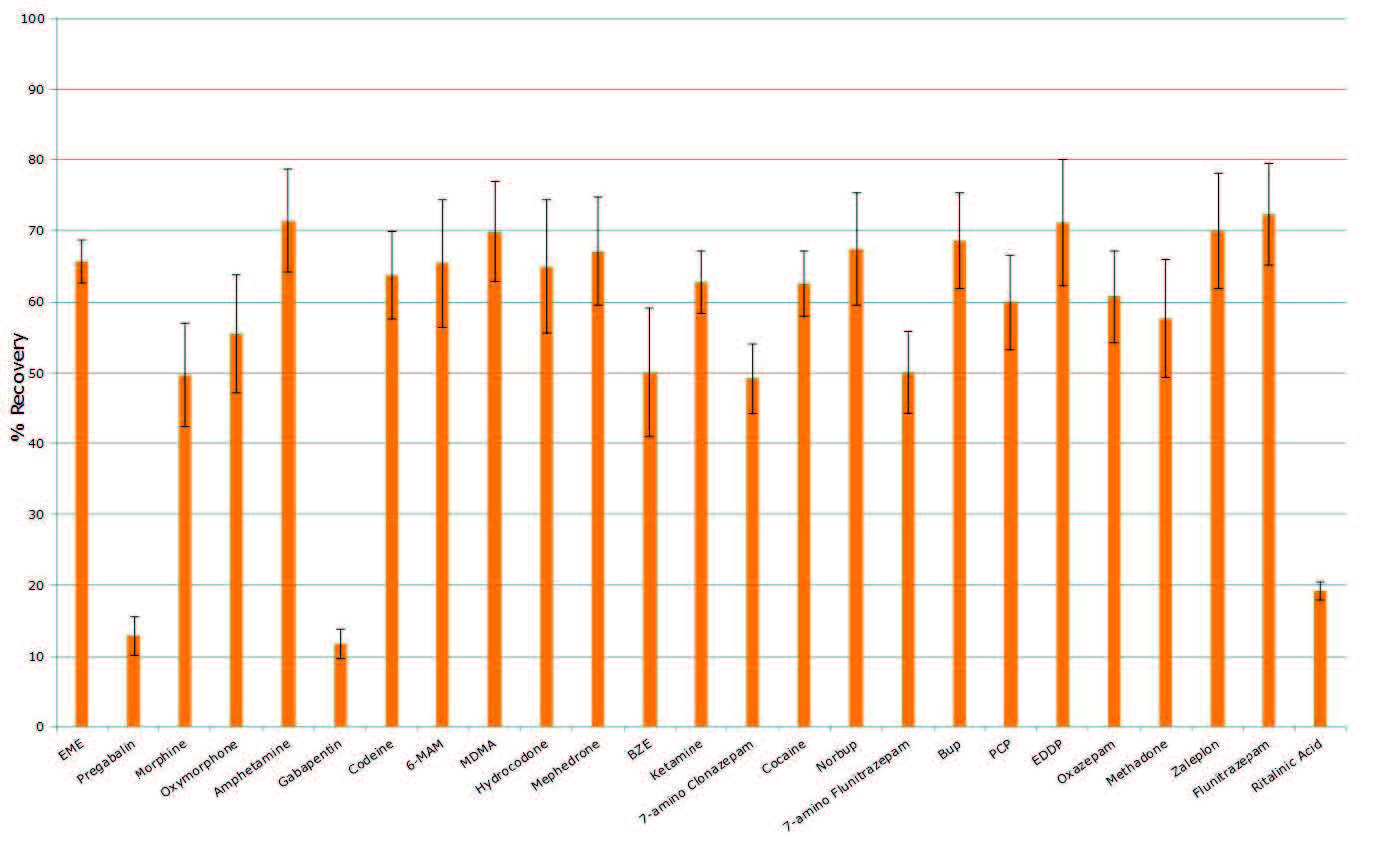 Figure 3. Typical analyte recoveries and RSD (n=7, shown as error bars) for hydrolyzed urine following ISOLUTE® HYDRO DME+ processing and direct UPLC-MS/MS injection.
Following recovery determination, analytes were extracted from urine spiked before hydrolysis at levels 10, 20, 50, 100, 200 and 400 ng/mL to construct calibration curves. Representative curves are shown in Figure 4.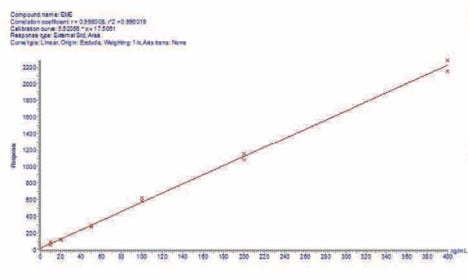
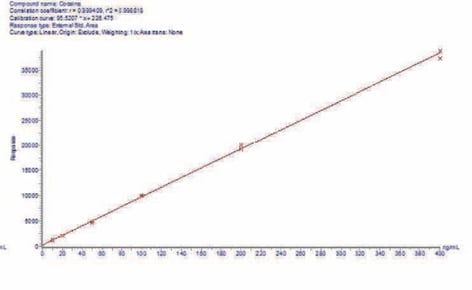
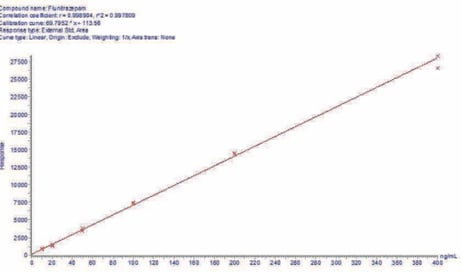
Figure 4. Calibration curves of application analytes EME, cocaine and flunitrazepam constructed following extraction of hydrolyzed urine using ISOLUTE® HYDRO DME+. Analyte concentrations are 10, 20, 50, 100, 200 and 400 ng/mL showing r2 values of greater than 0.99. Internal standard concentrations are at 50 ng/mL.
Matrix component removal
Urea and creatinine, along with other urinary matrix components and hydrolysis enzyme, can have a detrimental effect on quantitation of desired analytes. Figures 5 and 6 illustrate the extent of removal of urea and creatinine from urine using ISOLUTE® HYDRO DME+ products, compared to the levels present in non-purified urine (as used in dilute and shoot (D&S) experiments).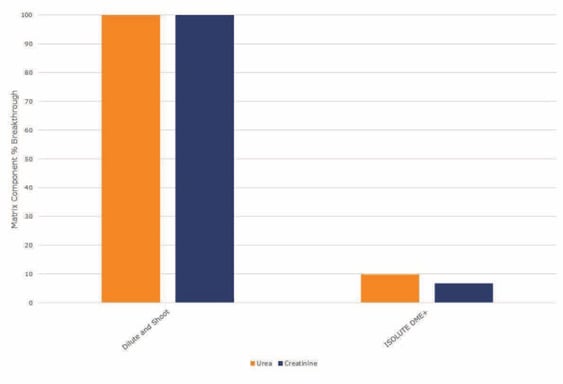 Figure 5. Chart demonstrating urea and creatinine % breakthrough into sample extract with and without ISOLUTE® HYDRO DME+ clean up.
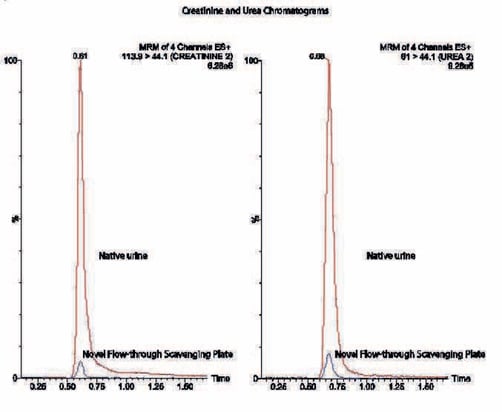 Figure 6. MRM chromatograms illustrating relative Creatinine (left) and Urea (right) content in hydrolyzed urine: (red) following ACN crash, (blue) post processing through ISOLUTE® HYDRO DME+.
Chemicals and reagents
- Reference standards (including deuterated internal standards), ammonium acetate (reagent grade ≥98%), ammonium formate (LC-MS grade), formic acid (LC-MS
grade) and β-Glucuronidase enzyme (Type HP-2, aqueous solution ≥100,000 units/mL) were purchased from Sigma- Aldrich Company Ltd. (Gillingham, UK). - HPLC-grade solvents (acetonitrile, methanol) were purchased from Honeywell Research Chemicals (Bucharest, Romania).
- Water used was 18.2 MOhm-cm, drawn daily from a Direct-Q5 water purifier.
- Ammonium acetate (50 mM aq pH5) was prepared by adding 3.854 g of ammonium acetate to 1 L of deionized water. The pH was adjusted using formic acid (as above).
- Mobile phase A (2 mM ammonium formate (aq), 0.1 % formic acid) was prepared by adding 126 mg of ammonium formate to 500 mL of purified water, adding 1mL of concentrated formic acid and making up to 1 L with purified water
- Mobile phase B (2 mM ammonium formate (methanol), 0.1 % formic acid) was prepared by adding 126 mg of ammonium formate to 500 mL of HPLC grade methanol, adding 1mL of concentrated formic acid and making up to 1 L with HPLC grade methanol
- 50 mM hydrochloric acid in methanol was prepared daily by adding 100 μL of 12M concentrated hydrochloric acid to 23.9 mL of HPLC-grade methanol.
Additional information
All data shown in this application note was generated using real, intact matrix, obtained from human volunteers.
Ordering information
|
Part Number |
Description |
Quantity |
|
970-0400-PZ01 |
ISOLUTE® HYDRO DME+ 400 mg Plate |
1 |
|
PPM-96 |
Biotage® PRESSURE+ 96 Positive Pressure Manifold |
1 |
|
SD-9600-DHS-EU |
Biotage® SPE Dry 96 Sample Evaporator 220/240 V |
1 |
|
SD-9600-DHS-NA |
Biotage® SPE Dry 96 Sample Evaporator 100/120 V |
1 |
|
121-5203 |
Collection Plate, 2 mL Square |
50 |
|
121-5204 |
Pierceable Sealing Cap |
50 |
Literature Number: AN915
