
July 15, 2026
Why mycotoxin testing matters for food and feed safety
By Deanna Borisko
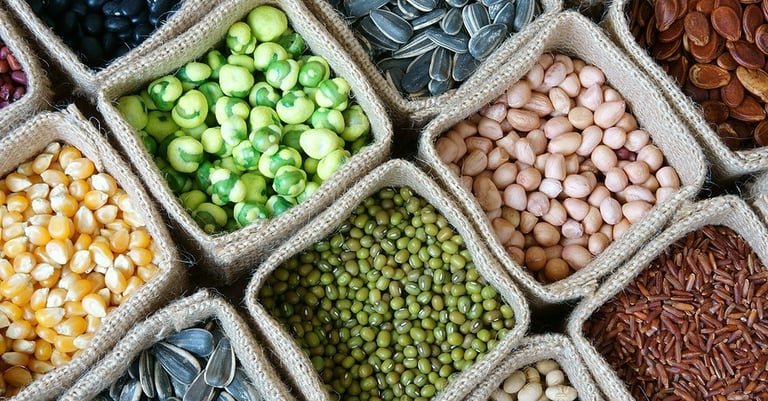
Most people may be unfamiliar with mycotoxins, but if you have ever tossed out moldy food, you may have reduced your risk of mycotoxin exposure. This is because mycotoxins are toxic compounds naturally produced by certain types of fungi and molds. Under the right conditions, such as high moisture, warmth, or improper storage, these molds can develop and begin producing toxins that contaminate food supplies. Some mycotoxins are so harmful that they are classified as carcinogenic, meaning they have the potential to cause cancer with prolonged exposure. Because of these risks, strict regulations have been established worldwide to monitor mycotoxin contamination in food, crops and animal feed, ensuring that the food we consume is safe.
Why mycotoxin testing can be complex
Measuring mycotoxins in food can be complex because contamination is not uniform across all food and feed products. Different crops are susceptible to different types of molds, and each mold species can produce its own unique set of toxins. For example, the mold that commonly affects apples is not the same as the mold that grows on grains like wheat or corn. As a result, the type of mycotoxin found in products produced from a batch of contaminated apples can be entirely different from one found in contaminated grain. Environmental conditions, agricultural practices, and storage methods all influence which molds grow and which toxins are produced.
Why prevention and routine screening matter
Another important factor is that mycotoxins are often invisible and resistant to standard food processing methods. Washing, cooking, or freezing contaminated food does not necessarily eliminate these toxins. This makes prevention, through proper harvesting, drying, and storage, especially critical. It also highlights the importance of routine screening in agricultural and food production systems, as contamination is not always obvious to the naked eye.
Health risks from mycotoxin exposure
Exposure to mycotoxins can have a range of health effects depending on the type and level of toxin, as well as the duration of exposure. In humans, short-term exposure may cause symptoms such as nausea, vomiting, or acute illness, while long-term exposure has been linked to immune suppression, organ damage, and increased cancer risk. In animals, mycotoxin contamination in feed can lead to reduced growth, illness, reproductive issues, and even death in severe cases. This is why monitoring animal feed is just as critical as monitoring food intended for human consumption.
Common mycotoxins found in food and feed
Below is a breakdown of common mycotoxins, the molds that produce them, and the foods in which they are typically found.
|
Mycotoxin |
Mold metabolized from: |
Food found in: |
|
Patulin |
Apples & apple juice |
|
|
Aflatoxin B1 |
Wheat Flour, Wheat, Maize, Barley, Brazil Nuts, Peanuts, Dried Chili, Animal Feed, Cereal Based Infant Food |
|
|
Aflatoxin B2 |
Wheat Flour, Wheat, Maize, Barley, Brazil Nuts, Peanuts, Dried Chili, Animal Feed, Cereal Based Infant Food |
|
|
Aflatoxin G1 |
Wheat Flour, Wheat, Maize, Barley, Brazil Nuts, Peanuts, Dried Chili, Animal Feed, Cereal Based Infant Food |
|
|
Aflatoxin G2 |
Wheat Flour, Wheat, Maize, Barley, Brazil Nuts, Peanuts, Dried Chili, Animal Feed, Cereal Based Infant Food |
|
|
Aflatoxin M1 |
Dairy from animals that consume aflatoxin contaminated feed (milk, infant formula, cheese) |
|
|
Ergocryptine |
Wheat Flour, Wheat, Maize, Barley, Rye, Drugs |
|
|
Ergocornine |
Wheat Flour, Wheat, Maize, Barley, Rye, Drugs |
|
|
Ochratoxin A |
Wheat Flour, Wheat, Maize, Barley, Brazil Nuts, Peanuts, Dry Beans, Coffee Beans, Dried Chili, Animal Feed, Cereal Based Infant Food, Wine |
|
|
Fumonisin B1 |
Wheat Flour, Wheat, Maize, Barley, Animal Feed, Cereal Based Infant Food |
|
|
Zearalenone |
Wheat Flour, Wheat, Maize, Barley, Animal Feed, Cereal Based Infant Food |
|
|
T-2 Mycotoxin |
Wheat Flour, Wheat, Maize, Barley, Animal Feed, Cereal Based Infant Food |
|
|
HT-2 Mycotoxin |
Wheat Flour, Wheat, Maize, Barley, Animal Feed, Cereal Based Infant Food |
|
|
Deoxynivalenol |
Fusarium graminearum, Fusarium culmorum, & Fusarium crookwellense |
Wheat, Maize, Barley, Animal Feed, Cereal Based Infant Food |
While this list may seem overwhelming, it reinforces an important point: mycotoxin contamination is not rare, and it can occur in many everyday food products. However, food safety systems, agricultural best practices, and regulatory oversight significantly reduce the risk to consumers.
Reducing the risk of mycotoxin contamination
Reducing the risk of mycotoxin contamination requires both preventive measures and routine monitoring. Proper storage of grains, nuts, and other susceptible products in dry conditions can help limit mold growth, while careful crop management and storage practices are essential for farmers and producers. For laboratories and food safety programs, routine testing plays an important role in identifying contamination that may not be visible.
Mycotoxins are a hidden risk, not an obvious one, which is why prevention, monitoring, and reliable testing are all important. Mold on crops or food products is not just a cosmetic issue; it can signal the presence of harmful compounds that are far more dangerous than they appear.
Want to learn more about sample preparation for mycotoxin analysis? Explore our application note on patulin testing in apple juice and discover Biotage solutions for food and agricultural testing.
Learn about a simplified sample preparation approach for testing patulin in apple juice here.
