
Introduction
Reductive amination is a favored chemical reaction in synthesis of organic amines. However, like many synthetic techniques, it can create side reactions and byproducts that require removal through flash chromatography. Often times, these side reactions and byproducts can pose a challenge for detection solely by UV, especially when using UV-absorbing chromatog- raphy solvents, even if the starting materials and final products are aromatic or UV-absorbing.
In this application note, we will demonstrate how the use of an inline evaporative light-scattering detector (ELSD) enhanced byproduct detection compared to relying on UV detection alone, even when using solvents with low UV absorbing properties.
Materials & methods
Synthesis
- System: Biotage® Initiator+
- Scale: 0.5 mmole
- Reagents:
- α-Methylbenzylamine, 60.6 mg
- Benzaldehyde, 53 mg
- MP-Cyanoborohydride (MP-CNBH4), 2.5 eq
- Solvent: Dichloromethane, 4 mL
- Catalyst: Acetic acid, 150 µL
- Temperature: 110 °C
- Time: 7 minutes
Purification
- System: Biotage® Selekt Enkel
- ELSD: Biotage® Selekt ELSD
- Column: Biotage® Sfär C18, 6 gram
- Solvent A: Water
- Solvent B: Methanol
- Gradient: 50-100% B over 10 column volumes (CV)
- Flow rate: 20 mL/min
- UV: λ-all 200-300 nm, UV1 200 nm, UV2 210 nm
- ELSD: Acetone, 36 °C, 1.5 bar N2
Results and discussion
For this application note a reductive amination reaction was performed using two UV-absorbing reagents, α-methylbenzylamine and benzaldehyde, Figure 1.
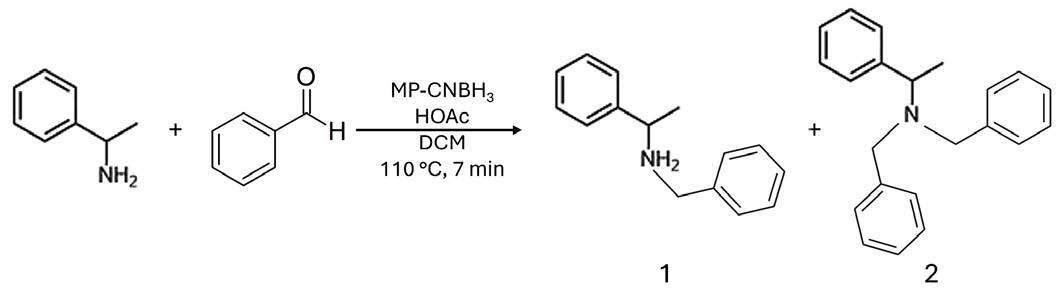
Figure 1. Reductive amination reaction used in the application note.
Reversed phase flash chromatography with a water/methanol gradient showed three well separated peaks signaling the two expected products, 1 and 2, were synthesized and isolated with high purity, Figure 2. Figure 2. Reaction mixture flash purification with UV-triggered fractionation indicated highly pure compound fractions.
Most chemists would consider this purification successful. However, additional compounds that contaminated the product fractions were discovered when the reaction mixture underwent purification with UV and ELS detection, Figure 3. Figure 3. Reversed phase flash chromatography of the reaction mixture using both UV and ELS detection uncovered several UV-transparent, closely eluting impurities.
Mass analysis of the product contained in peak 2 (figure 3) confirms the presence of impurities identified during purifica- tion with ELS detection.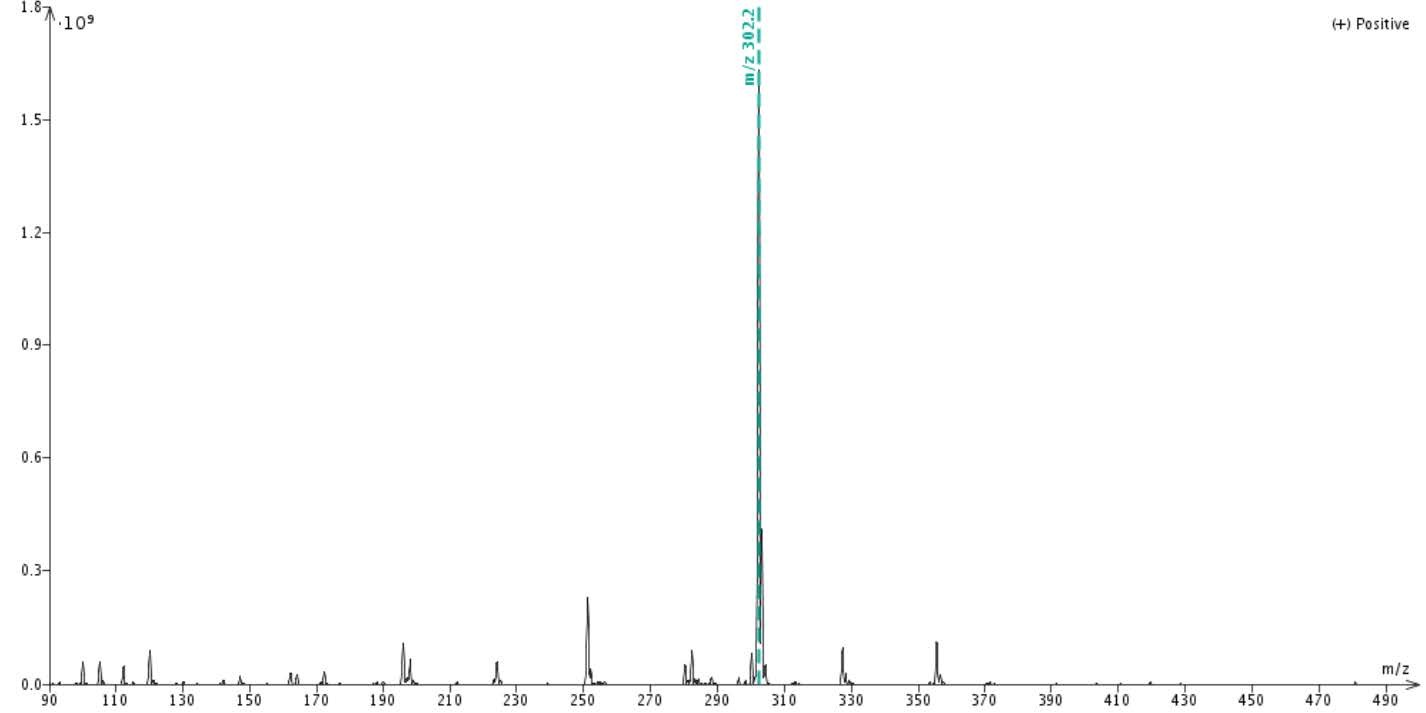 Figure 4. Mass analysis of product fraction 2 showed presence of contamination.
Conclusions
The reactions of UV-absorbing reagents may yield undesirable byproducts and impurities with poor UV- absorbance or transparency, potentially compromising the purity of the final product. Integrating an ELSD into your flash chromatography setup can effectively help discover these hidden contaminants, enhancing the purification process.
Literature Number: AN1003
