
Introduction
In the modern scientific environment, there is a constant desire to improve the speed and efficiency of processes in the development of new drugs, testing protocols and technologies. Companies operating in this field are continually reshaping workflows and even work environments to leverage incremental improvements in technology to achieve greater throughput is shorter time. One piece of that continuous optimization process is through connectivity and digitization. In this white paper, we will explore how the connectivity and digitization needs vary depending on the workflow within the life science laboratory and how Biotage approaches fulfilling these needs.
Connectivity and digitization
Connectivity and digitization in life science refers to the use of technology to connect laboratory instruments, automate laboratory workflows, and capture and manage data electronically.
Connectivity involves linking laboratory instruments to one another, to laboratory management software, and to other devices external to the laboratory. This allows for the exchange of data, the ability to remotely control and monitor instruments, and the integration of instruments into laboratory management platforms. Examples of connectivity in life science include using Wi-Fi or Bluetooth to connect instruments to laboratory management software, connecting multiple instruments to one another to automate workflows, and integrating laboratory data with cloud-based storage or analytics platforms.
Digitization involves the transformation of laboratory data from analogue to digital formats. This includes the use of electronic laboratory notebooks (ELNs) to replace paper notebooks, the capture of data electronically using laboratory instruments, and the storage of data in electronic formats. Digitization allows for faster and more accurate data management, as well as greater accessibility and the ability to share data across multiple platforms.
Together, connectivity and digitization in life science help to improve laboratory efficiency, reduce errors, and enhance data management and sharing. They enable scientists to collect and analyze data in real-time, monitor experiments remotely, and integrate data across multiple laboratory instruments and platforms. As a result, connectivity and digitization have become essential components of modern life science research and laboratory operations.
Implementation
The following are examples of connectivity and digitization solutions that can be implemented in a life science laboratory. After these technologies have been discussed, application to different workflows shall be discussed.
Remote access
Remote access to scientific instruments, such as chromatography systems, can significantly improve the efficiency of laboratory workflows. Remote access allows researchers to control and monitor instruments from any location, whether it is a home office or another laboratory. This technology enables scientists to access and analyze data without being physically present in the laboratory, which can save time, increase productivity, and reduce the need for travel.
Here are some ways in which remote access to scientific instruments makes work more efficient:
- Increased Flexibility and Accessibility: Remote access to scientific instruments allows researchers to access the instrument at any time and from any location, which
significantly increases their flexibility and accessibility. For example, a user can log in remotely to control instruments and run experiments without physically being present. - Timesaving: Remote access can save a significant amount of time as researchers do not have to travel to the laboratory to access the instrument. This means that researchers can use their time more effectively and focus on other tasks, such as data analysis, report writing, or experimental design.
- Increased Productivity: Remote access enables researchers to control multiple instruments simultaneously and monitor them from a single location. This means that researchers can run experiments more efficiently and increase their productivity. For example, a researcher could set up and run multiple chromatography systems remotely, enabling them to collect data more quickly and accurately than if they had to physically attend each machine.
- Improved Data Management: Remote access to scientific instruments allows researchers to collect and analyze data in real-time. This means that they can identify any issues or anomalies immediately and adjust accordingly. Additionally, remote access allows researchers to store and manage data more efficiently, as it can be accessed from any location and facilitating collaboration with colleagues.
In summary, remote access to scientific instruments such as chromatography systems makes work more efficient by increasing flexibility and accessibility, saving time, increasing productivity, and improving data management. This technology has revolutionized the way in which researchers conduct experiments and analyze data, and it will continue to play a significant role in advancing scientific research in the future.
API (Application Programming Interface)
In a life science laboratory, both a control API (Application Programming Interface) and a monitor API are essential for managing and controlling instruments and devices.
A control API provides a standardized set of programming interfaces that allow software applications to control an instrument's functions. This includes setting parameters, initiating a process, and adjusting settings. The control API enables the software application to interact with the instrument in a way that is consistent with the instrument's capabilities and the intended use.
On the other hand, a monitor API provides a standardized set of programming interfaces that allow software applications to retrieve data from an instrument or device. This includes data related to the instrument's performance, status, and any errors or issues that may arise during use.
The control and monitor APIs work together to provide a comprehensive solution for managing and controlling instruments and devices in a life science laboratory. By providing a standardized set of programming interfaces, the APIs enable software applications to interact with the instruments in a way that is easy to use. This improves the accuracy and efficiency of laboratory workflows, reduces the risk of errors, and enhances the reproducibility of results.
Environments
The life science laboratory is a dynamic environment that depends heavily on connectivity and digitization to achieve successful outcomes. The workflows within the laboratory differ depending on the type of science being conducted, and this influences the level of connectivity and digitization needed.
Workflow 1: Basic research
Basic research is aimed at expanding scientific knowledge without any immediate commercial application. In this workflow, the focus is on understanding the fundamental biology or chemistry of a particular system or organism. The connectivity and digitization need in basic research is relatively low. Researchers require access to literature databases and basic laboratory management software, which can be accomplished through a standard internet connection. Additionally, connectivity to remote instrumentation or collaborations may not be required since most of the research can be conducted in-house.
Biotage connectivity example in basic research with Biotage® Initiator+ Alstra
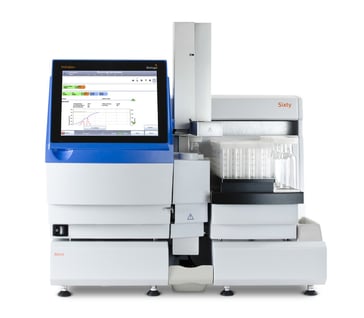 Figure 1. Biotage® Alstra Initiator+ Peptide synthesizer, with remote programming
In the peptide research laboratory, there is no need for complex connectivity needs. However, ease-of-use improvements through digitization and connectivity are important. For example, the Biotage Initiator+ Alstra system is a peptide synthesizer designed to create complex peptides from successive, repetitive reaction cycles. An essential part of operation of the system is programming the steps in the synthesis, which is a time-consuming task. Biotage realized the connectivity need in this instance by building remote versions of the software that can be programmed at the desk, before transferring the completed method to the instrument. This eliminates the need for the user to spend a lot of time in front of the system in the laboratory programming methods.
Workflow 2: Drug discovery
Drug discovery is a complex and resource-intensive process that involves identifying and validating drug targets, designing and synthesizing compounds, and testing the compounds for efficacy and toxicity. This workflow requires a high level of connectivity and digitization to support the massive amounts of data generated. Collaboration is also an essential aspect of drug discovery, as multiple teams work together to identify and validate drug targets. High-speed internet connections, cloud-based computing resources, and virtual private networks (VPNs) are essential for sharing data, collaborating, and accessing remote instrumentation. Digital lab notebooks and laboratory information management systems (LIMS) are also required to manage and store data generated during the drug discovery process.
Biotage connectivity example in drug discovery with the Biotage® Selekt Family
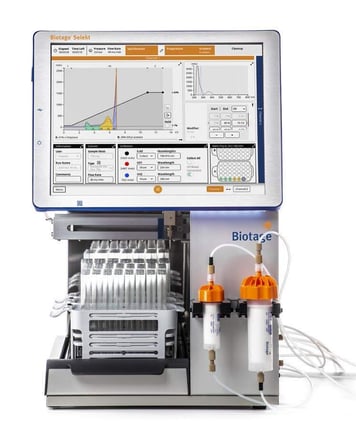 Figure 2. Biotage® Selekt Enkel with remote access and monitor API
The family of Biotage Selekt purification systems are flash chromatography instruments able to rapidly purify compounds on the gram scale, using disposable columns packed with silica. This instruments are used in small-scale organic chemistry as part of initial stages of the drug discovery process. Biotage have integrated digitization and connectivity solutions into this product line by implementing a remote access technology. This allows instruments to be controlled and all data viewed in real-time remotely. This is an important feature as in many large research organizations, where instruments are kept in specially designed facilities away from general laboratories. With remote access, users can monitor and control their experiments in real time from their desks. In addition, a powerful monitoring API allows integration of multiple Selekt systems into laboratory management software, for example allowing users to schedule experiments, check when instruments are available etc., vastly increasing the efficient usage of resources. Adoption of remote technologies gives instruments like the Selekt flexibility to adapt to different work environments, essential in to0day’s complex drug discovery landscape.
Biotage connectivity example in drug discovery – Biotage Initiator+ and V-10 Touch Systems
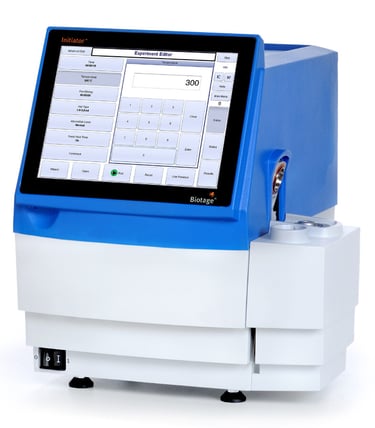 Figure 3. Biotage® Initiator+ with full control API
The Biotage Initiator+ microwave synthesizer, used for rapid and high-quality organic synthesis, and the Biotage V-10 Touch evaporator for high-boiling solvents and evaporation of changing chromatography fractions both feature a full control API. This allows the systems to be controlled and monitored by external systems, opening up full functionality to 3rd-party platforms. Using this technology, these instruments can be fully integrated into powerful workflow software, becoming a compo- nent in a powerful laboratory management package along with other instruments and systems from other vendors. The result is a powerful and versatile solution that can be tailored to specific environments.
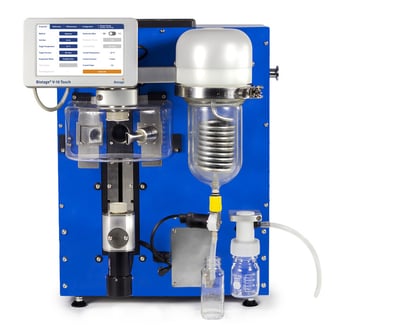 Figure 4. Biotage® V-10 Touch with control API
Workflow 3: Clinical research
Clinical research involves studying the safety and efficacy of drugs and medical devices in humans. This workflow requires a high level of connectivity and digitization to ensure that data is collected, stored, and analyzed accurately. Electronic data capture (EDC) systems are used to collect patient data and manage clinical trial information. These systems must comply with regulatory requirements, and the data must be secure and accessible only to authorized personnel. High-speed internet connections and secure VPNs are necessary for remote access to EDC systems and collaboration among researchers.
Biotage connectivity example in clinical research with Extrahera GLP package
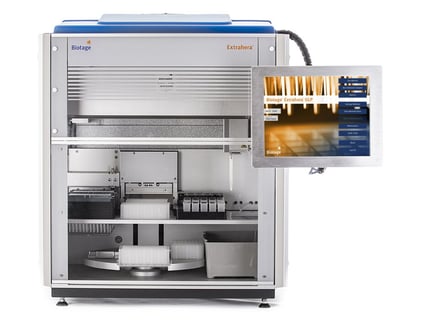 Figure 5. Biotage® Extrahera with GLP software
Good Laboratory Practice (GLP) is a quality assurance system used in life science laboratories to ensure that experiments are conducted in a consistent and reliable manner. GLP guidelines cover various aspects of laboratory operations, including documentation, equipment validation, and record-keeping.
Digitization and connectivity can help integrate instruments into a GLP environment in a life science laboratory by automating and streamlining the processes involved in GLP compliance, For example, in the Biotage Extrahera system family a robust GLP package helps automate and streamline processes, improving data integrity and accessibility and ensuring compliance with regulatory requirements. The package also enhances the reliability and accuracy of results. By leveraging the benefits of digitization and connectivity, life science laboratories can improve GLP compliance and achieve better research outcomes.
Conclusion
Connectivity and digitization are essential aspects of the life science industry, enabling better data management, analysis, and compliance with regulatory requirements. In different workflows, the connectivity and digitization needs vary, and it is essential to understand these differences when designing products and systems.
In life science laboratories, connectivity and digitization can streamline workflows, reduce errors, and save time. For example, remote access to scientific instruments enables researchers to control and monitor experiments from any location, while digitization of instruments ensures regulatory compliance and improves data management.
Depending on the workflow, different approaches to connectivity and digitization may be required. For instance, in clinical trials, regulatory compliance is crucial, while in drug discovery, speed and efficiency are key considerations. Understanding these differences is essential for product design and development to ensure that products meet the specific needs of different workflows, and Biotage have developed a series of robust and dedicated connectivity and digitization solutions designed to suit the workflow environment in which they are used.
In summary, connectivity and digitization play a critical role in the life science industry, and it is essential to understand the varying needs of different workflows. By designing products that meet these needs, we can improve productivity, accuracy, and regulatory compliance in life science laboratories.
Reference
- Tse, W. C., Reinecke, D., & Mansfield, B. (2015). Connectivity in the Life Sciences. Journal of Laboratory Automation, 20(5), 482-487.
- Zhu, Y., Li, Y., & Huang, Y. (2019). Digitization and automation in pharmaceutical industry. Asian Journal of Pharmaceutical Sciences, 14(6), 581-591.
- Masuzzo, P., & Martens, L. (2017). Ameliorate scien- tific communication through open-up protocols. F1000Research, 6, 1840.
- Kariyawasam, K., & Mauthe, A. (2020). Connectivity and digitization in pharmaceutical manufacturing: A review. Journal of Pharmaceutical Innovation, 15(3), 310-321.
Literature Number: PPS713
